Portiva’s prior authorization specialist remote service helps healthcare practices manage payer requirements, submissions, documentation, tracking, and insurance follow-up. Services start at $10/hour, helping staff stay focused on patient care.
Jennifer: Hello everyone, and welcome to another episode of Ask the Doc. I’m your host, Jennifer Filsen, and today I have with me Sanju Zachariah of Portiva. Welcome, Sanju.
Sanju: Thank you, Jennifer. It’s a pleasure.
Jennifer: I’m so glad you’re here. So tell us all about Portiva and what you guys do.
Sanju: Yeah, definitely. Thanks for having me. A little background about Portiva: my name is Sanju Zachariah, and I’m the owner and CEO of Portiva. We’re a medical staffing company headquartered in Collegeville, Pennsylvania, in the greater Philadelphia area. We started back in 2009, and we had a different focus back then. We were engaged in back-office operations for doctors. We serve healthcare practitioners in general, so we have some dentists, some veterinarians, and so on. Back in 2009, we were focused on back-office operations, doing a lot of medical transcription. That was the main bread and butter of the company.
That continued until the pandemic hit. That’s when things shifted a bit because we started getting calls from our clients asking for more help, especially with front-office operations. We had a situation where people couldn’t come into the office anymore, like the medical assistants, because of restrictions. Doctors were strapped, managing everything themselves. So that’s when we started getting calls from doctors asking, “Do you have people who can help us with phone calls, scheduling, billing, and so forth?” That’s when we started our virtual medical assistant service. We added that to Portiva’s portfolio. That’s how it all began.
Jennifer: That is amazing, and you’re absolutely right. We’re already seeing that doctors are busy doing what they do, practicing and seeing patients. But to also be the butcher, the baker, and the candlestick maker within your own practice, running the back end, running the front desk, doing all the paperwork, and making sure everything’s sterilized, that’s a lot for one person to handle. So it’s great that you guys are providing a service that gives them the help they need. I’d imagine that with the labor shortage we’re currently seeing, you really are a blessing to a lot of these doctors and practices because it’s hard to find help these days. So are you doing temporary staffing specifically for this, placements that end once they’re no longer needed, or is it more of a headhunting model where you’re placing people permanently in these roles?
Sanju: It’s a permanent placement model. Basically what we do, and I don’t want to call it “disruption,” maybe that’s too harsh or extreme, but we’re looking to disrupt the traditional medical staffing industry. In the old-school way, doctors typically reach out to a medical staffing firm and say, “We need a medical assistant or certified medical assistant,” and they’d have to wait weeks, these days even months, because it’s hard to find people who want to work in an office. A lot of people have retooled because of the pandemic. They’re not going back into offices. Every industry is going through this, restaurants, hospitality, travel. People are having a hard time finding good people willing to work on-site. They’d rather work online.
So basically what we do, Jennifer, is maintain a roster of pre-vetted candidates with medical backgrounds. A lot of them are former nurses, and everything can be done remotely using voice-over-IP and conferencing technologies. A medical staff member gets interviewed and, depending on the doctor’s needs, whether it’s billing, medical scribing, patient scheduling, or other specialties, we already have candidates ready. They go through a process we call “Portiva University,” where they receive rigorous training and testing. Once they’re ready to be placed, they go into a queue. When a doctor reaches out to us, we provide a list of candidates, typically two or three, and ask the doctor to choose the one who resonates best with their practice.
Once that happens, they come on board, and we’ve had a wonderful experience so far. Doctors really like them. They’re logged in when the doctor comes into the office and typically log out when the doctor leaves, though sometimes they’re doing follow-up work even after the doctor leaves, like documentation and catching up. The great thing is that we become an extension of the doctor’s office, and it saves the doctor a lot of time. We have doctors who love their virtual assistants because they’re not taking up physical space in the office. We handle all the benefits, including health insurance, retirement plans, and everything else. The doctor just pays a flat hourly rate.
In the worst case, if the doctor doesn’t feel it’s the right fit after a month or so, which does happen sometimes, we can immediately provide another set of candidates. Compared to the traditional model, where a doctor has to wait weeks, go through interviews, and then start all over again if it’s not the right fit, with Portiva we already have candidates lined up and ready to go. We can typically place a doctor with a trained candidate within hours. We also have doctors’ offices that need more than one virtual assistant, or VA. Those are some of the benefits of the service we provide.
Jennifer: Amazing. Oh my gosh, I love your business model. You’re doing some great work, Sanju, truly. Now, we’re running out of time, but I tell you what, well have to have you come back in the future and tell us a little more about your origin story. In fact, let’s do a quick 30 seconds right now. How did you get into this?
Sanju: Yeah, no, it’s a good question. Portiva started back in 2009, and I’m an engineer by trade, but I have family members and friends in the medical field, some of them doctors. The idea came about because of a bad experience I had at a doctor’s office before 2009. I waited about 45 minutes to be checked in because my primary care office was so inundated, with the staff juggling so many different things. That’s when the idea originated. I felt like doctors need help managing their practice. As good as they are, and they truly are medical professionals, their time should be focused on the patient, not on administrative tasks. That’s how it all started, and that’s how the idea originated.
Jennifer: I love it. You didn’t just complain, you found a solution, and now you have a very happy business because of it. I love that. Well, we’ve run out of time, but truly, thank you, Sanju, for being here. And everyone, thank you so much for watching. I hope you enjoyed hearing about the good work Portiva is doing. If you want to find out more, please go to BuzzTV.iab-buzz.com. Thank you so much for watching, and we’ll see you next time. Bye.
Businesses thrive with solutions that drive success and transformation. Clients achieve their goals, streamline operations, and see real results. Join them and experience the difference today!

A prior authorization specialist remote professional manages administrative authorization tasks for healthcare practices without working on-site. The role can include reviewing payer requirements, preparing submissions, organizing documentation, tracking pending requests, communicating with insurance companies, and recording authorization updates.
Portiva’s remote specialists work within the practice’s established workflow and can flag missing or clinical information for the appropriate authorized team member.
Remote specialists track request status, document payer responses, follow up on unresolved requests, and update the practice.
The specialist prepares and submits authorization requests through the appropriate payer workflow or portal.
The specialist reviews payer requirements to identify required forms, documentation, and submission steps before sending the request.
Remote specialists organize required documentation and flag missing information for authorized team members before submission.

Practices that regularly request authorization for medications, tests, procedures, therapies, or specialty services may benefit from dedicated administrative support.
Portiva currently provides healthcare staffing support for medical, dental, and veterinary practices. A remote prior authorization specialist can become part of an existing team without requiring another physical workstation inside the practice.
Portiva provides top-tier virtual medical assistant services designed to enhance healthcare efficiency.
In today’s healthcare landscape, prior authorization has become an essential process for ensuring that patients sustain treatments they need while keeping healthcare costs under control. Insurance companies often require pre-authorization to verify that a proposed treatment is medically necessary and that it aligns with their coverage policies. The review of accurate medical records is a critical part of this process. However, this process can be time-consuming and complicated, often leading to delays in patient care if not managed properly.
This is where a prior authorization virtual assistant comes into play. By entrusting this critical task to a remote specialist, healthcare providers can ensure that authorizations are processed efficiently, reducing the burden on in-house staff and improving the overall patient experience.
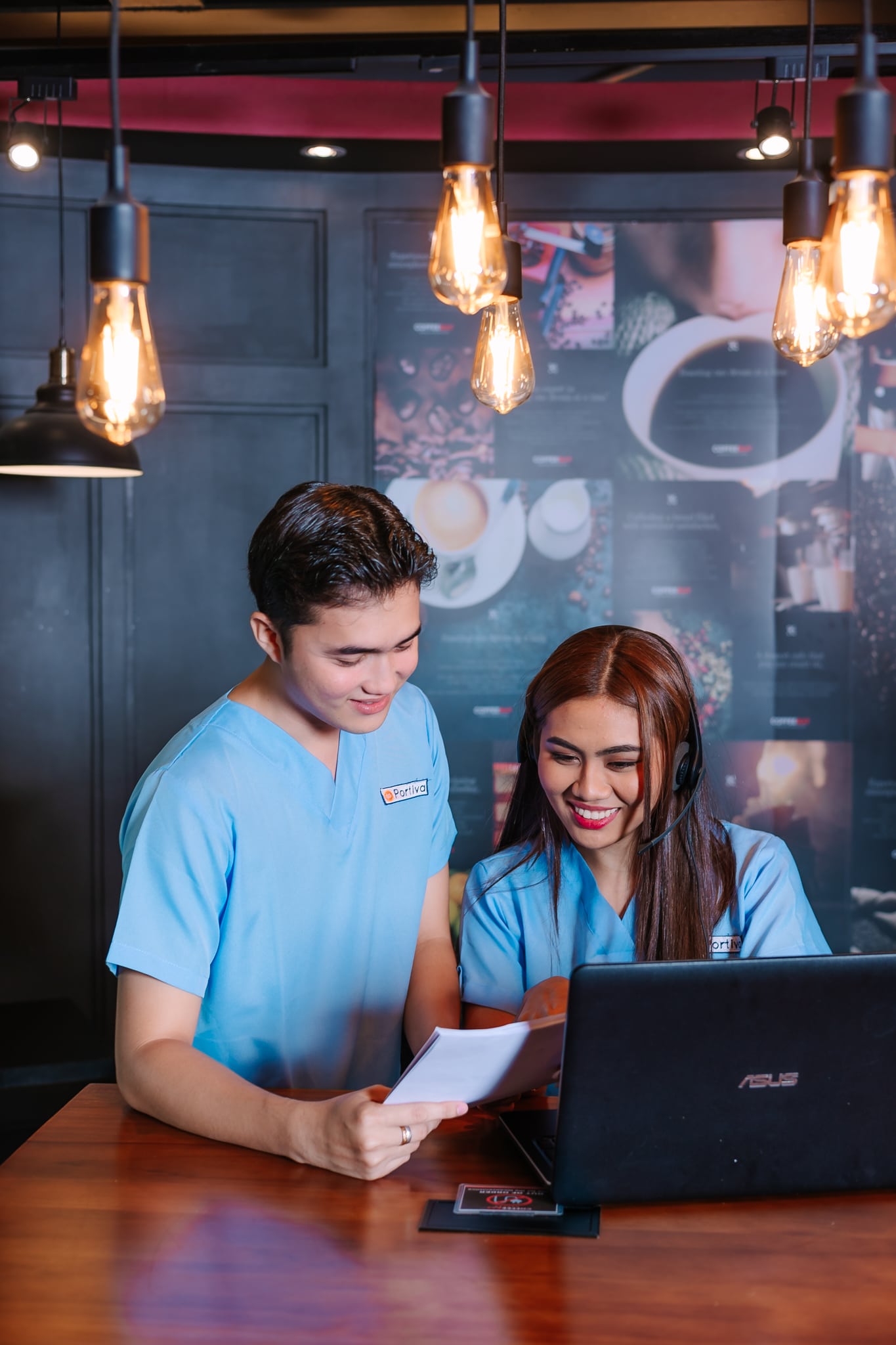
In healthcare, every moment counts. A delay of even a few seconds in the prior authorization process can create bottlenecks in medical treatment. That’s why having a reliable prior authorization VA is crucial. These professionals work swiftly and accurately to ensure that the necessary approvals are secured as quickly as possible, minimizing interruptions in treatment and ensuring that patients receive the support they need without unnecessary delays.
Portiva helps healthcare professionals focus on patient care while we handle the rest. Discover why so many trust Portiva to enhance their practice today!
Hi, I’m Dr. Victoria Netting, a licensed physician practicing family medicine, and I’m here at my family farm. I took the week off to enjoy some time with my family for a family reunion. But as most clinical physicians know, just because we take some time off doesn’t mean our patients or our practice do. That’s why I’m very thankful for Portiva, who I know is looking after my practice while I’m gone.
The virtual assistants can manage prescription refills, documents, triage patients, and answer administrative questions. They handle a lot on their own. They’re also very good about contacting me if there’s an emergency or anything I need to attend to.
Portiva can help almost any provider, almost anywhere, and it really allows for good work-life balance, as I’m getting to experience right now at my family farm. So I’m very thankful for Portiva, and I’m very happy to use their services.
Choosing a remote prior authorization specialist service offers numerous benefits that can significantly impact the efficiency and success of a healthcare practices. Some of the key benefits include:
By outsourcing prior authorization tasks to a remote specialist, healthcare providers can streamline their operations and reduce the workload on their in-house staff. This increased efficiency allows the healthcare provider to focus more on patient support and less on administrative tasks.
Employing a remote specialist can lead to substantial cost savings for healthcare providers. In a few seconds, practices can reduce overhead costs by eliminating the need for on-site staff, along with expenses related to office space, equipment, and employee benefits.
A remote prior authorization specialist brings a high level of expertise to the table. These specialists are trained to evaluate insurance requirements and navigate the complexities of claims. This expertise can result in faster approvals and fewer claim denials.
Remote offer a scalable solution for healthcare practices of all sizes. Whether you're a small clinic or a large healthcare system, a remote prior authorization specialist can handle your needs and provide the support necessary to handle your patient volume effectively.
Timely and accurate prior authorizations are essential for maintaining patient satisfaction. When authorizations are processed quickly, patients experience fewer delays in receiving their care, leading to better outcomes and a more positive overall experience.
At Portiva, we understand the importance of having reliable systems of remote prior authorization specialists. Our specialists are not only experienced but also dedicated to providing top-notch service that aligns with your practice’s needs. With our remote aid, you can expect seamless systems that enhance your practice’s workflow, reduce claim denials, and improve overall patient satisfaction.
Our team of remote prior authorization specialist service professionals works closely with key stakeholders, including healthcare providers and insurance companies, to ensure that every authorization request is handled with precision and treatment. We prioritize clear communication to make sure the authorization process is as smooth as possible.
Additionally, Portiva is committed to staying ahead of industry trends and regulatory changes. In just a few seconds, our specialists can access the latest updates, ensuring they receive ongoing training to stay up-to-date with the latest developments in healthcare and protection. This commitment to continuous improvement ensures that your healthcare facility benefits from the most current information and best practices in prior authorization.
| Area | Portiva remote prior authorization support | Traditional in-house staffing |
|---|---|---|
| Prior authorization focus | Dedicated support for payer requirements, submissions, documentation, and follow-up | Responsibilities may be combined with other office duties |
| Physical workspace | Remote | Usually requires office workspace and equipment |
| Staffing capacity | Can add remote administrative capacity without adding an in-office workstation | Usually requires recruiting and onboarding another employee |
| Workflow | Works within the practice's established systems and authorization procedures | Managed within the practice by on-site staff |
| Best fit | Practices that want dedicated remote support for recurring authorization work | Practices that prefer to keep authorization tasks entirely in-house |
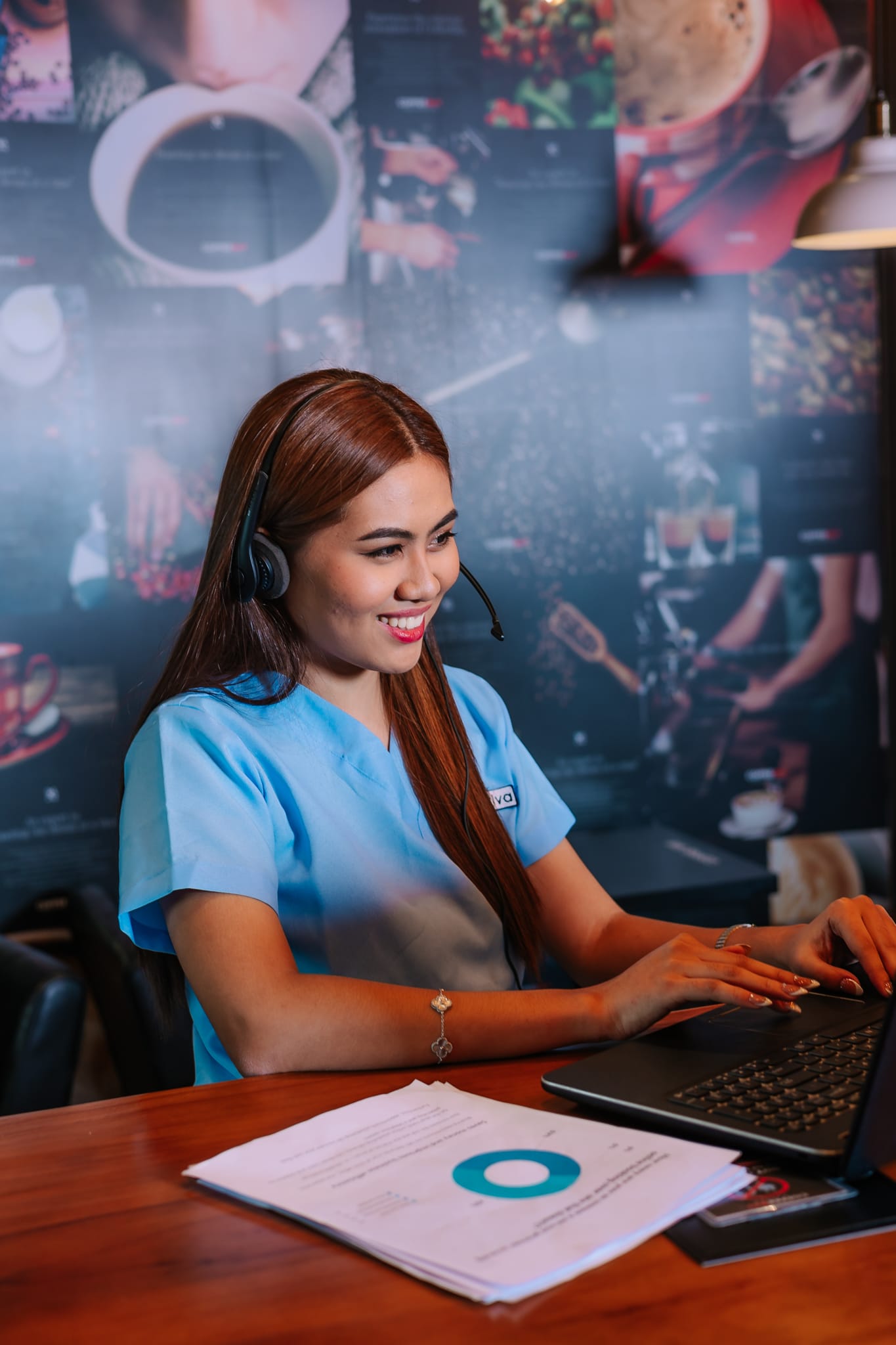
Don’t let the challenges of prior authorization slow down your efficiency. With Portiva’s prior authorization specialist, you can ensure that all authorizations are handled efficiently and accurately. Contact us today to learn more about how our assistance can benefit your efficiency.
By choosing Portiva, you’re not just hiring a remote specialist: you’re partnering with a team dedicated to enhancing your practice’s efficiency and patient care. Let us take the complexity out of prior authorization so you may concentrate on what matters most your patients’ health and the health of your practice.
Supporting healthcare administrative and operational work remotely.
Portiva works with healthcare practices that need additional remote staffing capacity.
Portiva virtual assistants collectively provide more than 800,000 hours of healthcare support each year.
MGMA · Prior Authorization Issue Brief · 2025

Prior authorization is very important to the individual. It is worth mentioning that the pre-authorization and prior authorization process can be challenging and time-consuming, putting patient care on hold. However, with the support of a Prior Authorization Specialist Remote, many of these steps can be streamlined, reducing the time needed before the prior authorization form can finally be sent out. Technology, combined with the expertise of these specialists, can increase the speed of this process and assist both patients and doctors. Over time, more investment in technology and remote specialists can benefit many people.
Calvin Elado
“We were overwhelmed with calls while our staff focused on in-clinic patients. Portiva came highly recommended, and since bringing on Jennifer as our Virtual Front Desk Receptionist, things have run much more smoothly.”
Stephen Sisselman
“I am currently employing and managing 3 virtual medical assistants in various roles including billing, population health and back office. These exemplary individuals are smart, self-starters who can be trained to perform new tasks.”
Aly Gonzalez
“Prior to Portiva, I used another virtual staffing agency and I was not happy with the candidates or the service. Portiva does an excellent job pre-screening qualified candidates that meet the requirements of the job.”
Brianna Gunther
“It has been a pleasure working with Portiva and their VMAs. Before working with them, we faced challenges managing the increasing workload that came with our growth, especially with limited on-site space.”
── WHO'S BEHIND THIS

Sanju Zachariah
Founder & CEO, Portiva
Sanju Zachariah is the Founder and CEO of Portiva, a healthcare staffing company he established in 2009 to help medical practices reduce administrative burdens and operate more efficiently. Before founding Portiva, Sanju worked as a management consultant at Accenture and PwC, where he gained extensive experience in process improvement and operational strategy.
Inspired by firsthand frustrations with inefficiencies in healthcare administration, he built Portiva to provide scalable virtual support that allows healthcare professionals and business leaders to focus on higher-value work.
2009
3
US
Find answers to your queries about Portiva’s prior authorization specialist remote services.
A remote prior authorization specialist works as an extension of your existing staff by managing authorization workflows, tracking requests, and flagging clinical issues for authorized team members. This reduces administrative interruptions and allows your staff to focus more on patient care.
Healthcare practices that regularly obtain approvals for medications, tests, procedures, therapies, or specialty services can benefit from a remote prior authorization specialist. Portiva supports medical, dental, and veterinary practices.
A remote prior authorization specialist can manage authorization requirements across a practice’s insurance payer mix. They review payer guidelines, use insurance portals, submit documentation, and follow up with insurers on pending requests.
Outsourcing prior authorization helps reduce claim denials by ensuring requests are accurate, complete, properly documented, and submitted on time. Specialists also monitor responses and route denials or requests for additional information to the appropriate staff.
A remote prior authorization specialist can verify insurance eligibility, check payer requirements, gather documentation, monitor request statuses, contact payers, update patients, and maintain authorization records. They can also flag missing information and prepare authorization queue reports for practice managers.
Portiva does not publish a fixed timeline for starting remote prior authorization support. Practices can begin the process by scheduling a consultation so Portiva can assess their workflow and staffing requirements.
A remote prior authorization specialist communicates with insurance companies, healthcare providers, patients, and authorized practice staff throughout the approval process. They request status updates, coordinate documentation, record payer responses, and communicate administrative updates.
Outsourcing prior authorization provides experienced administrative support without the recruiting, training, and overhead costs of maintaining additional full-time in-house staff. It also reduces staff workload, improves workflow efficiency, and allows healthcare providers to focus on patient care.